

by Ali Ahsan
When the Pakistan Football Federation (PFF) signed up for January’s 2026 SAFF Futsal Championships in Bangkok, Thailand, it registered for both the men’s and women’s events. The Pakistan men’s futsal team had made their international debut in last year’s qualifiers for the AFC Futsal Asian Cup, but the women’s team had never played internationally until then.
Like most fledging futsal nations in Asia looking for qualified coaches, the PFF decided to look to the global futsal powerhouse in Asia: Iran. Having among the best men’s futsal teams in the world and a strong challenger in Asian women’s futsal, Iranian male and female futsal coaches are much sought after.

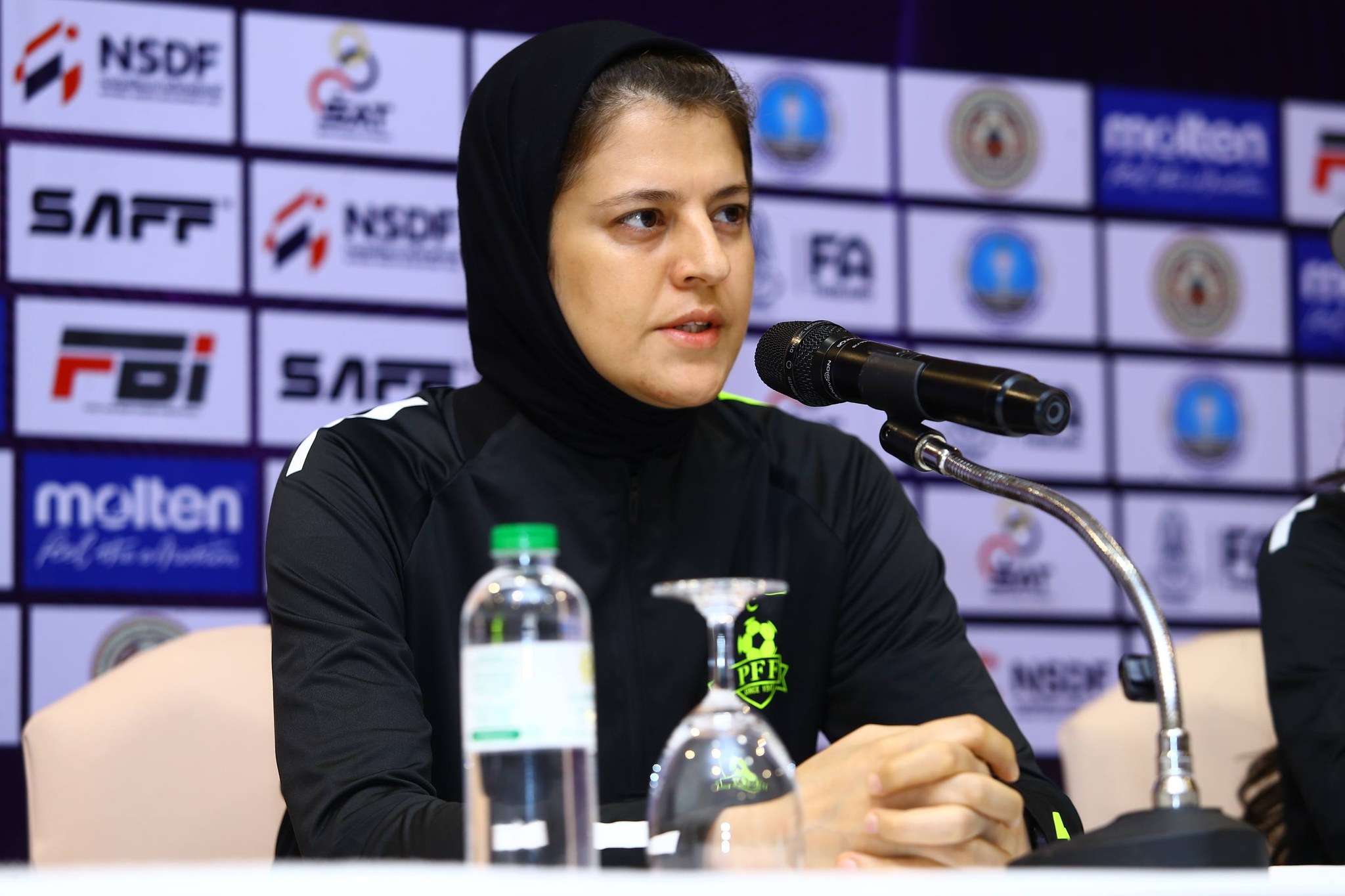
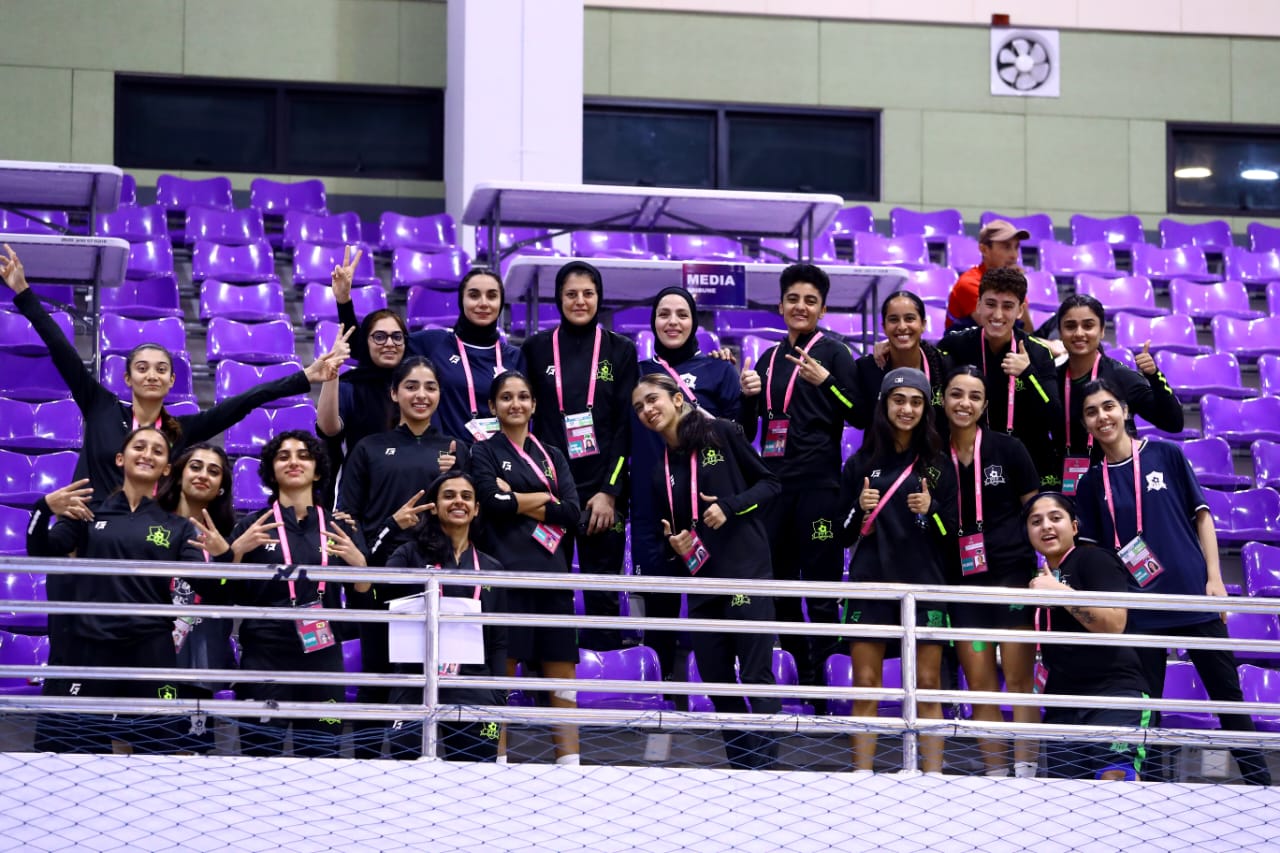
The PFF got Iranian futsal great Fatemeh Sharif Noghabi to coach the first ever Pakistan women’s futsal team. With fellow Iranians Solmaz Azimian and Zeinab Saberi as her trusted assistants, she coached Pakistan to finish 5th in SAFF women’s futsal event.
FootballPakistan.Com caught up with Fatemeh after her Pakistani futsal stint concluded, with Iranian football journalist Erfan Hoseiny joining as interpreter. The women’s futsal icon from Gonabad in Iran’s eastern Razavi Khorasan province spoke candidly about her futsal journey, overcoming several challenges along the way.
“Since I was a child, I had a great passion for football. It was a part of my life. But because organized football was not permitted for girls in Iran back then, I used to play in the street with the neighborhood boys and girls when I was 11-14 years old,” said Fatemeh. “In 2001, women’s football and futsal were finally allowed across Iran. I took up futsal training in my city’s only sports hall despite it being far from home. I quickly progressed and got selected for the provincial team.” That made her focus on succeeding in futsal moving forward.

Her rise in the regional ranks did not go unnoticed in Iran’s fledging women’s futsal scene. By 2006 she was given a call-up to the Iran women’s futsal team and would remain a key member until 2013, finding international success. Fatemeh would also find success domestically playing for several Iranian futsal clubs calling time on her playing career by 2019. But her futsal coaching journey had begun much earlier.
“Early women’s futsal coaches in Iran came from other sports like basketball, handball, and volleyball. They were not originally futsal players themselves, but I wanted to be a pioneer. As someone who had experienced futsal at the highest level, I decided to enter coaching. I participated in my first coaching course in 2014 while I was still playing in Iran’s Futsal Premier League.” Fatemeh recalled the coaching instructor recommending her to take advanced courses.

After attending the Level 2 futsal coaching course in 2016, Fatemeh Sharif was nominated to be Iran’s representative at the AFC instructor training course in Malaysia, “This was a turning point in my coaching career. Although I had not yet retired from playing, my interest in coaching was growing day by day.” Now she is a well-established licensed women’s futsal coach and instructor with a growing global rapport.
Fatemeh credited Iran’s strong domestic league structure and talent pool over its dominance in international men’s futsal and Asian women’s futsal across history. “The Iran men’s futsal team has won 14 Asian championship titles and finished third once at the FIFA Futsal World Cup, while the Iran women’s national futsal team has won 2 titles out of the 3 editions of the AFC Women’s Futsal Asian Cup.”

While she did miss out on continental titles, Fatemeh’s playing career found success at regional events. “When I was a national team player, the AFC Women’s Asian Cup did not yet exist. But I was part of the team that won the West Asian Games, finished second and fourth at the Asian Indoor Games, and placed seventh in the world with the Iranian university national futsal team.”
This success also replicated in her coaching career, where she was in charge of Iran’s youth futsal team between 2017-19 and later was an assistant coach in the senior women’s team. “We won the CAFA Championship. With the senior national team, no competitions were held due to the COVID-19 pandemic.”
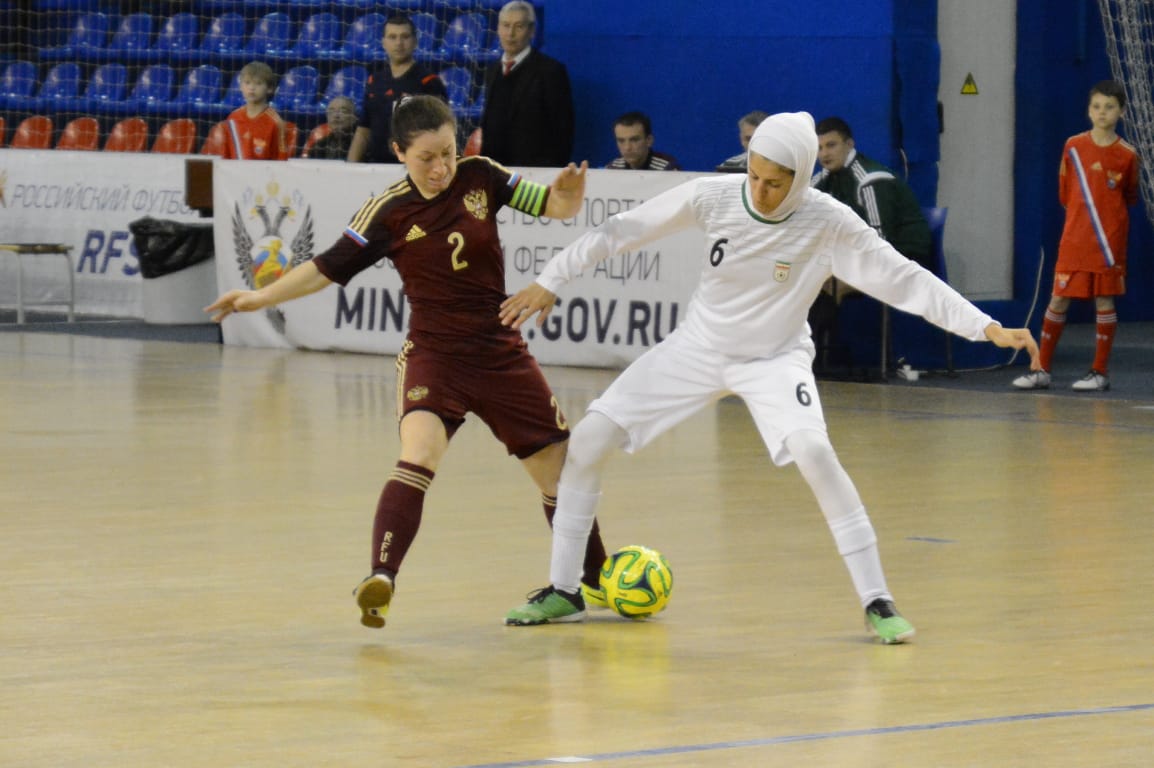
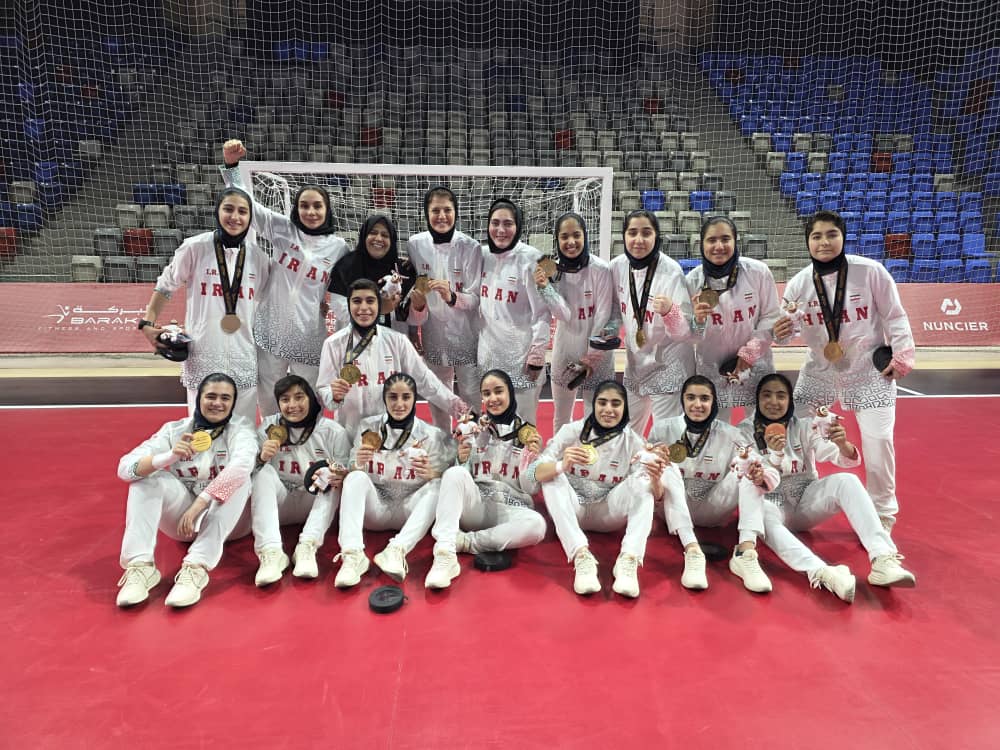
By 2025, Fatemeh Sharif Noghabi was the head coach of the women’s national U17 futsal team and won gold at the Asian Youth Games in Bahrain for Iran. This success brought her into PFF’s attention for its first ever women’s national futsal team. The opportunity was too good to ignore for her.
“Right after the Bahrain Games, while I was on a break, I received an offer to coach the Pakistan women’s national team. I also had offers from top-tier futsal clubs in Iran. Because Pakistan’s culture is close to Iran’s, and because I have always liked challenges—and knew that forming the first Pakistan women’s national futsal team would be an exciting one—I accepted the position. I know that being the first is always remembered, and I am happy to have been chosen as the head coach of the first Pakistan women’s national futsal team,” she beamed.
Fatemeh and her assistants joined the women’s team camp in mid-December 2025, three weeks before the start of the SAFF Futsal Championship in Bangkok, “The initial talent identification was carried out by local coaches, and we began the training camp with 20 players. In the final week, four diaspora players joined us.”
Immediately she could tell that this would be a challenging task to prepare the squad. “Since futsal—played indoors—was unfamiliar to the Pakistani players and they had no prior experience in this field, their rate of progress was slow in the early days. However, gradually, due to their ability and strong eagerness to learn, the improvements became more noticeable.”
She mentioned how Pakistan’s immense 240 million population means abundant human resources requiring much deeper and dedicated talent identification, “It’s not just about finding only elite players but also developing them throughout the year under the guidance of coaches trusted by the federation, so that we can utilize the full potential of the country.”
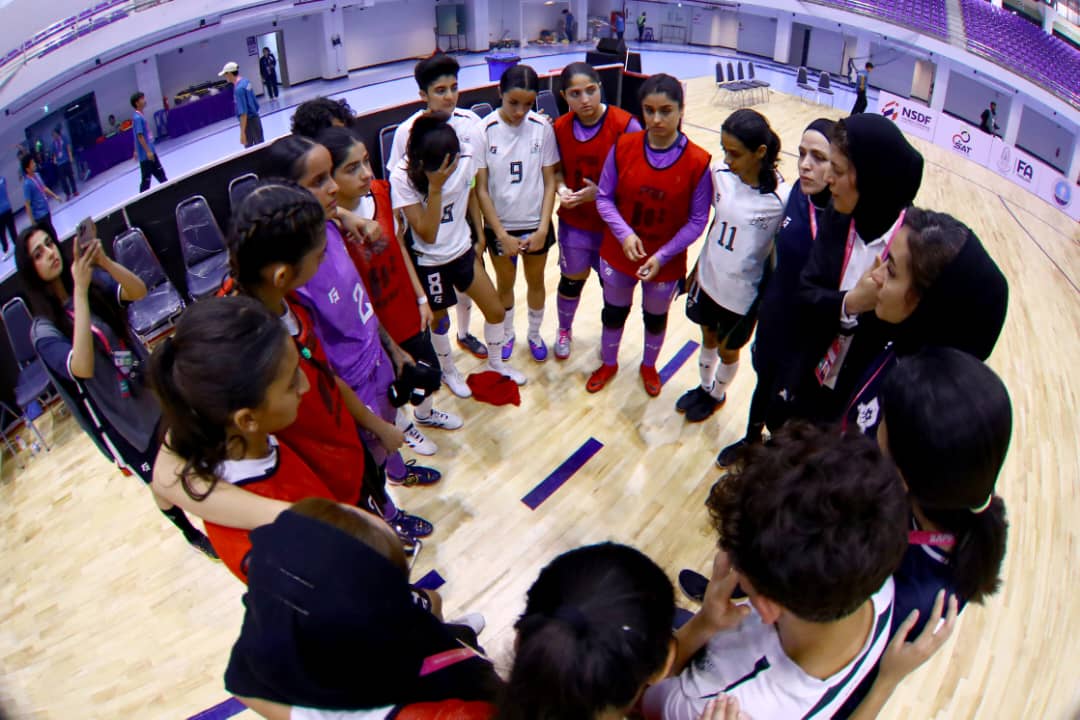
When asked about the influx of diaspora players from the women’s football team, Fatemeh did remark that they were at a higher level overall, but their main sport being football and not futsal meant everyone in the squad had to adjust to the demands of the sport. “Weaknesses in technique, physical fitness, and decision-making speed were noticeable in all players. The players need to train individually throughout the year to improve their physical and technical readiness.”
In the SAFF Women’s Futsal Championship, it was noticeable to see that almost all the players in each team’s squad were largely football players recruited to play futsal for the event. Pakistan women’s futsal team made their debut with a 1-1 draw against Bhutan before beating Sri Lanka 3-2 just days later to record the country’s first ever win in international futsal – men’s and women’s.
Fatemeh recalled the moment of victory with pride, “As the head coach, I felt an incredible sense of pride and joy after securing the first-ever victory. It was a historic milestone, not just for the team but for the development of women’s futsal in Pakistan. Seeing the players’ determination, growth, and teamwork come together on the court was deeply rewarding and motivating for me as a coach.”
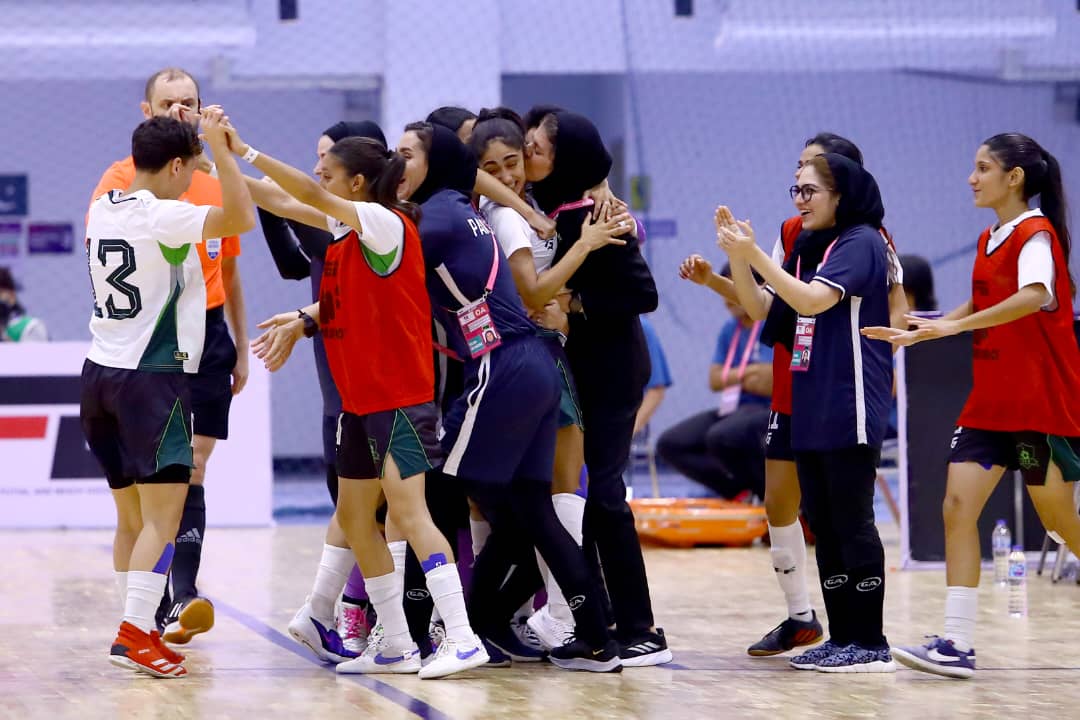
After another win over Maldives 3-1, Pakistan faced a series of tough losses to India 5-3, Nepal 5-1, and eventual winners Bangladesh 9-1. Fatigue and lack of squad depth being a major reason why Pakistan finished 5th in the 7-team event. Yet Fatemeh couldn’t have been prouder, “I truly believe that if we had more time for preparation and coordination, we could have achieved better results.”
When asked about which players stood out for her in the tournament, Fatemeh protectively said “For a coach, it’s extremely difficult to single out the best player. It’s like asking a mother which of her children is her favorite. all of the players impressed me, Each of them showed commitment, hard work, and strong team spirit.”
With the end of the SAFF Futsal event, the Pakistan men’s team coached by fellow Iranian Ali Imani finished 4th in their event. Soon after, the Iranian coaches said their goodbyes and headed home. Fatemeh has set her sights for the Iran women’s futsal again, “My immediate goal is to lead the Iranian national youth futsal team at the Youth Olympic Games in Senegal in October 2026. Beyond that, I aim to continue developing as a coach, focusing on improving players’ skills, fostering teamwork, and contributing to the growth of futsal at both the national and international levels.”
When asked about what lessons Pakistan can learn from Iran on the promotion and betterment of women’s sport, Fatemeh laid out what needs to be done:
- Structured Talent Development: Establishing youth academies and systematic talent identification programs to nurture players from a young age.
- Experienced Coaching: Investing in trained and certified coaches who can develop technical, tactical, and physical skills over time.
- Domestic Competitions: Creating strong national leagues and tournaments to provide regular competitive opportunities for women athletes.
- Long-Term Planning: Focusing on consistent training, preparation, and performance monitoring throughout the year rather than short-term programs.
- Role Models & Visibility: Promoting successful female athletes to inspire participation and build public support for women’s sports.
- Development of sports in schools and universities.
Nothing is ever achieved overnight, as it takes genuine interest and constant effort in line with international best practices to succeed in any professional sport. Fatemeh Sharif Noghabi’s professionalism and determination is a testimony to how women athletes and coaches can truly take a nation beyond gendered stereotypes and overcome outdated restrictions.
The benchmark has been set. Now its down to the PFF and local football/futsal stakeholders to take the sport seriously if we are to truly utilize our potential in South Asia and beyond.

Leave a Reply
You must be logged in to post a comment.